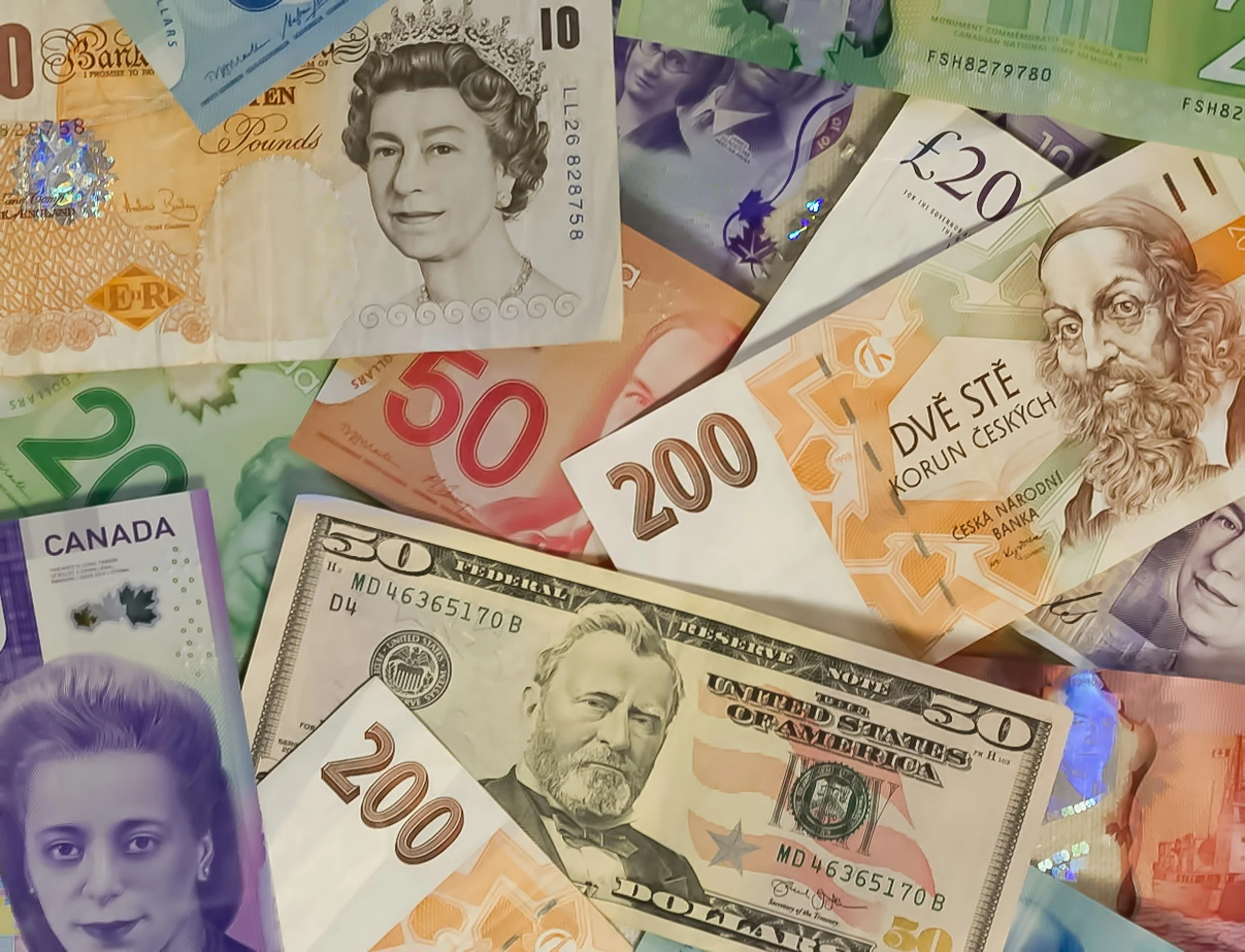
The Trans-Atlantic Money Machine
This wasn't two separate stories — it was one integrated system:
Lloyd's of London insured slave ships and human 'cargo,' creating the global insurance market
British banks financed American plantations through cotton bonds
Wall Street created the first trans-Atlantic capital loop with cotton-backed bills
Northern U.S. banks financed Southern planters; profits flowed to London
After 1807/1808 'abolition,' both nations continued profiting through finance and illegal trade
A Profitable Silence
In Britain: The story centers on abolition heroes like Wilberforce, while centuries of Crown-backed trafficking fade to footnotes.
In America: Slavery is called our 'original sin,' but rarely with full acknowledgment of how British ships, banks, and royals made it possible.
The shared strategy? Celebrate the end of slavery. Minimize the profits that came from it.
Why It Still Matters
Both nations still live in the shadow of their shared venture.
Both have resisted reparations while celebrating their 'progress.'
Both prefer the myth of noble allies over the truth: their first partnership was human trafficking.
Two Economies, One System
Britain built it. America scaled it.
Both governments chose profit over people — and both still live off the dividends.
Sources
Bank of England Working Paper 986
UCL Legacies of British Slave-Ownership
NBER Working Paper 28994 (Heblich et al., 2022)
Oxford Research Encyclopedia of African History
Cambridge Journal of Global History
Equal Justice Initiative
U.S. Census 1860
MeasuringWorth.com