Movement I – From Chains to Chords (1600s–1800s)
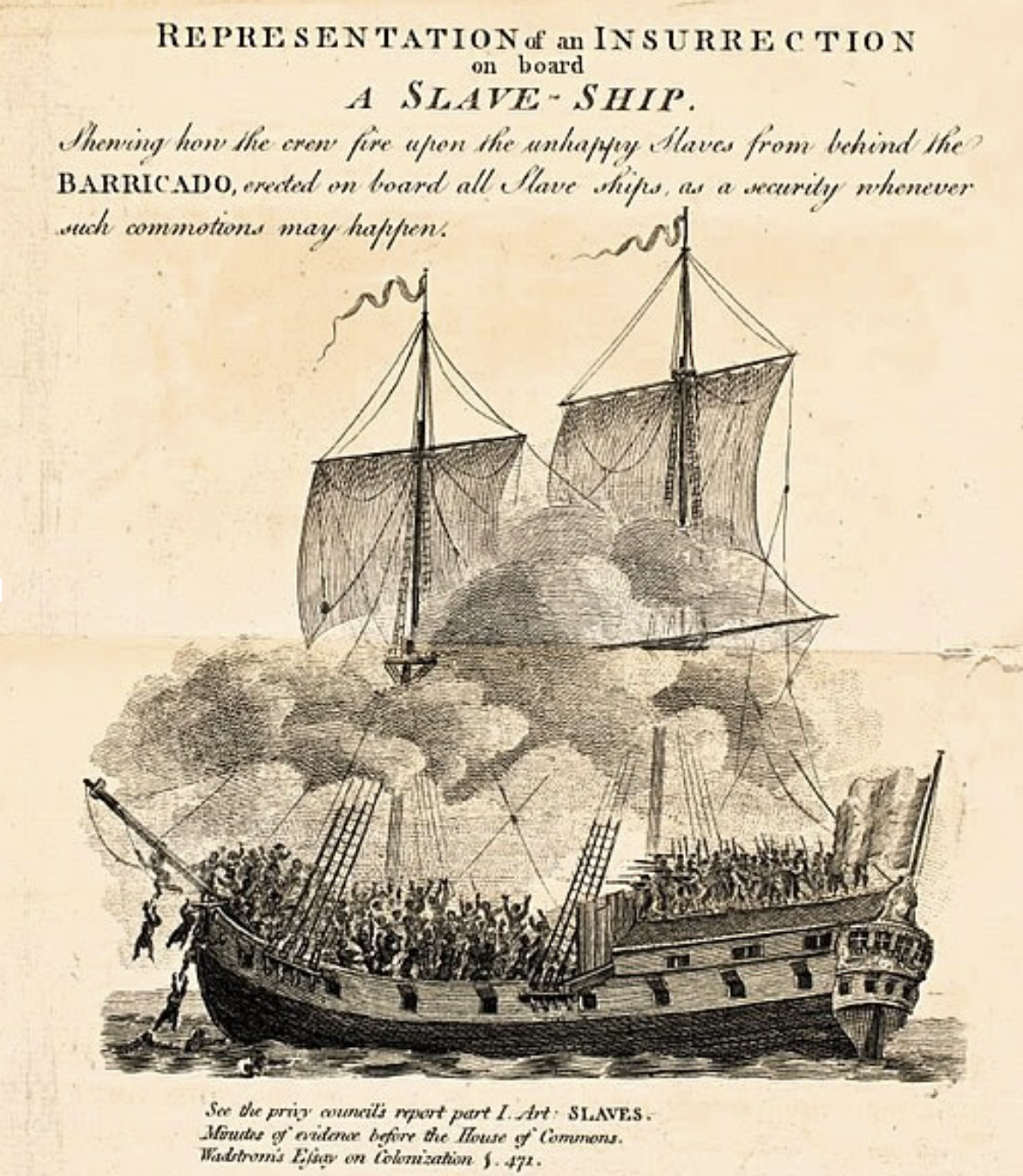
Before there was a United States, there was the hum of people stolen from Africa. On ships bound for the Americas, they kept time by beating the sides of the hull. Out of pain came a secret language — the work song, the spiritual, the field holler.
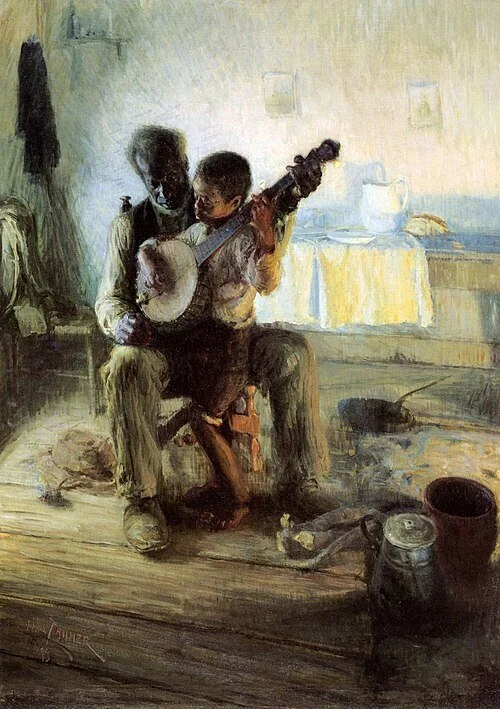
Even the banjo, long called “hillbilly,” was African. Its ancestor, the akonting, crossed the Atlantic in memory and handcraft. Reborn in bondage, it helped give birth to the sound that would define a nation.
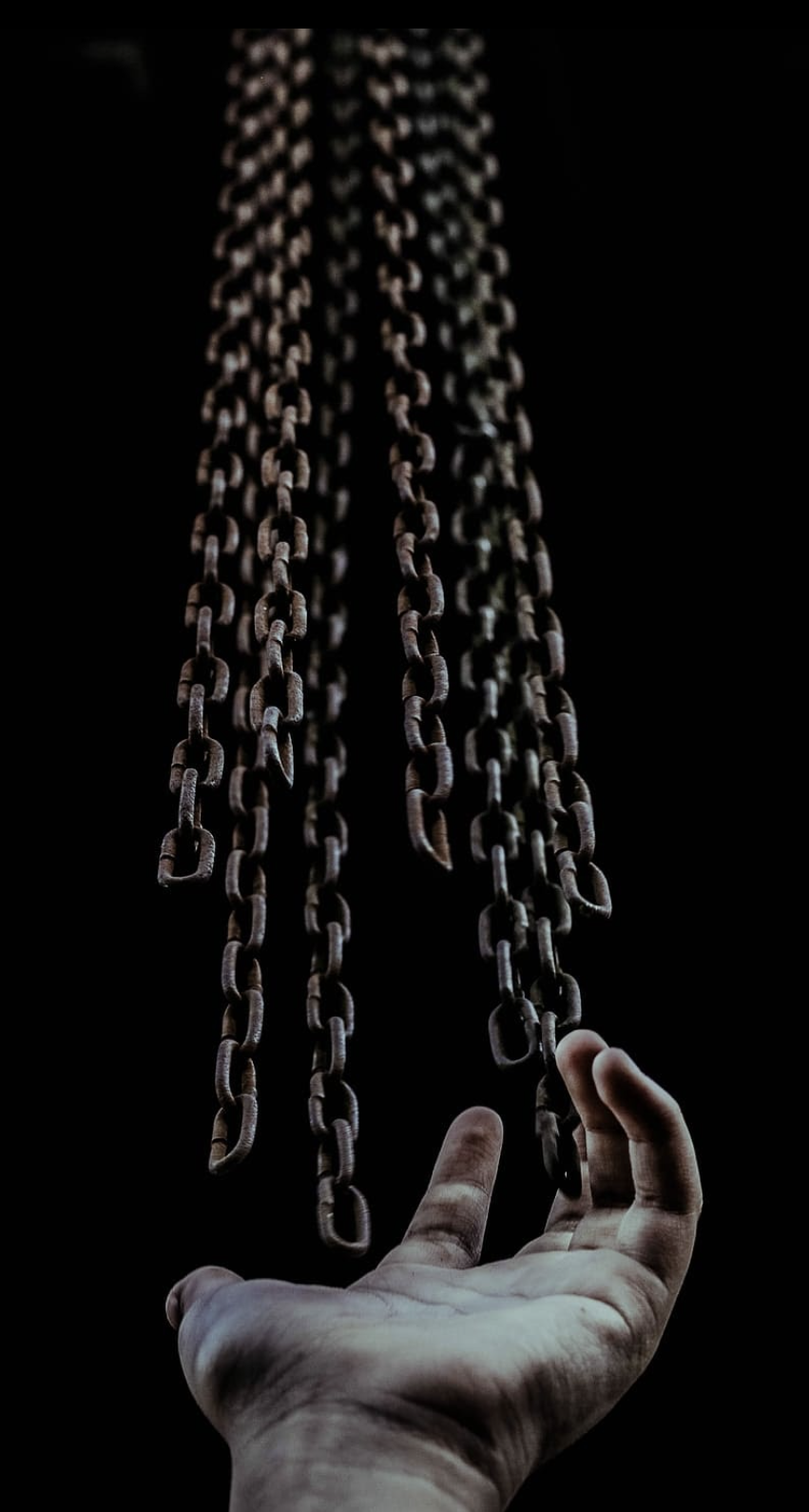
Black music was America’s first act of defiance. It said: You can chain my body, but you will never own my song.
Movement III – Rhythm and Rebellion (1950s–1970s)
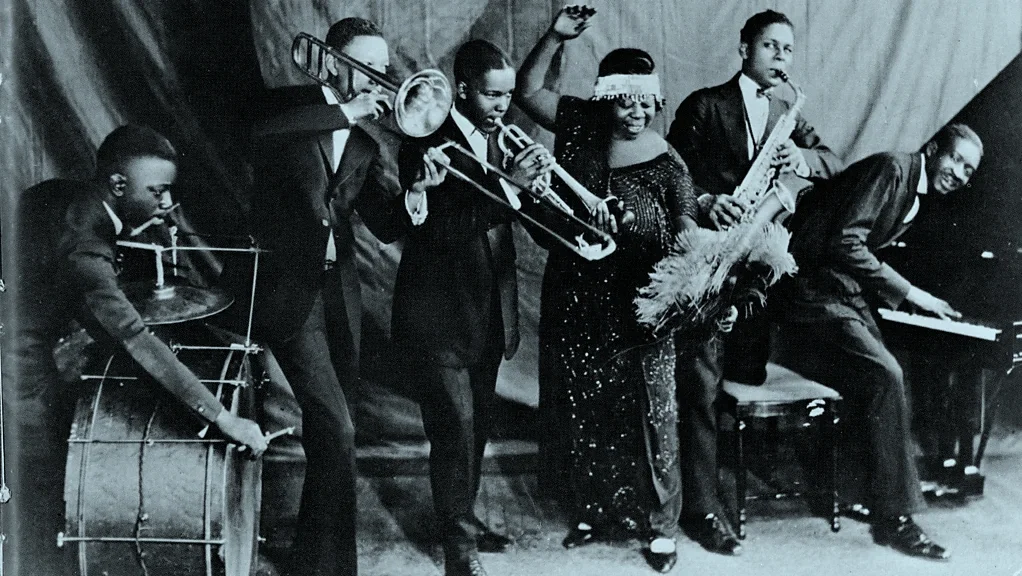
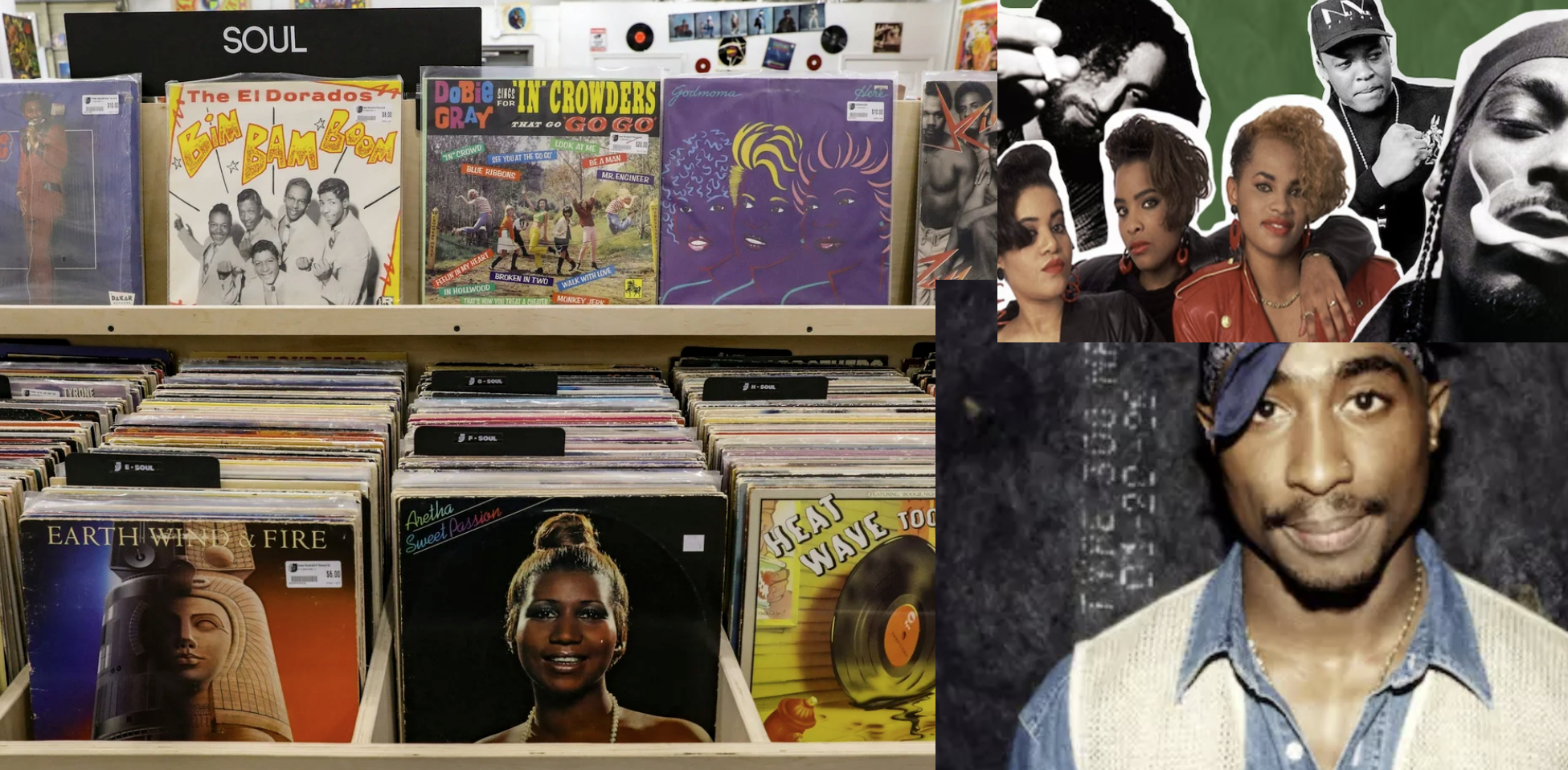
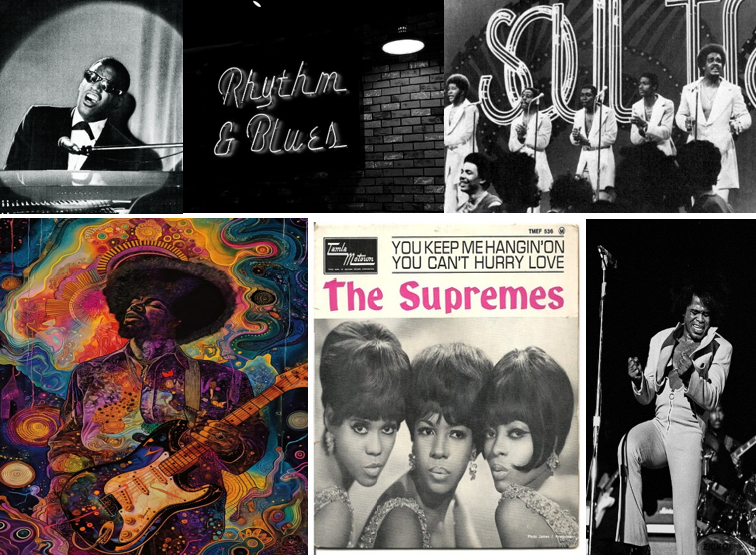
By mid-century, Black musicians had built the framework for everything America now calls “popular music.” Rock and roll, rhythm and blues, soul, funk — all flowed from the deep well of the Black experience.
When laws refused to change, the songs did it first. Sam Cooke, Mahalia Jackson, Nina Simone, Curtis Mayfield — their voices were sermons and marches, lamentations and demands. “A Change Is Gonna Come” wasn’t wishful thinking; it was prophecy.
Meanwhile, white America danced and cashed the checks. We loved the music, but not the mirror it held up to us.
The Sound Carries On
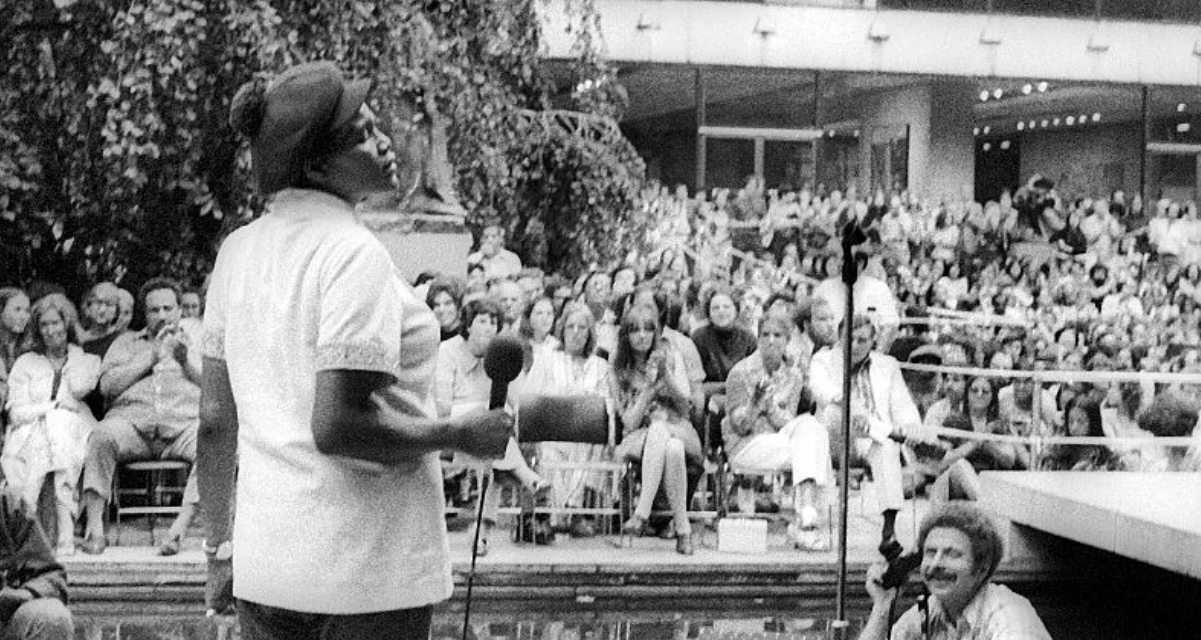
Prologue - The Inheritance of Sound
Black music is not a genre. It is a living archive of endurance — rhythm and melody drawn from chains, prayer, heartbreak, and love that refused to die. Every beat carries memory: of stolen names, lost mothers, cracked hands — and still, astonishing joy.
As white Americans, many of us grew up hearing this music without truly hearing it. We sang along to its hits and admired its stars, often without understanding that what played on our radios was born from centuries of resistance. The more closely we examine our own history, the clearer it becomes that this sound has been America’s truest witness.
Movement II – The Great Migration of Sound (1900–1940s)
When Black families journeyed north, they carried their music like luggage. The blues electrified Chicago. Jazz took root in New Orleans and Harlem. Gospel rose from storefront churches. Sorrow bent toward survival; lament turned into laughter.
The Harlem Renaissance wasn’t simply a cultural movement — it was a spiritual one. Through art, poetry, and song, Black creativity reshaped the nation’s imagination, even as the nation refused to see the creators as equal.
Movement IV – The Remix of America (1980s–2000s)
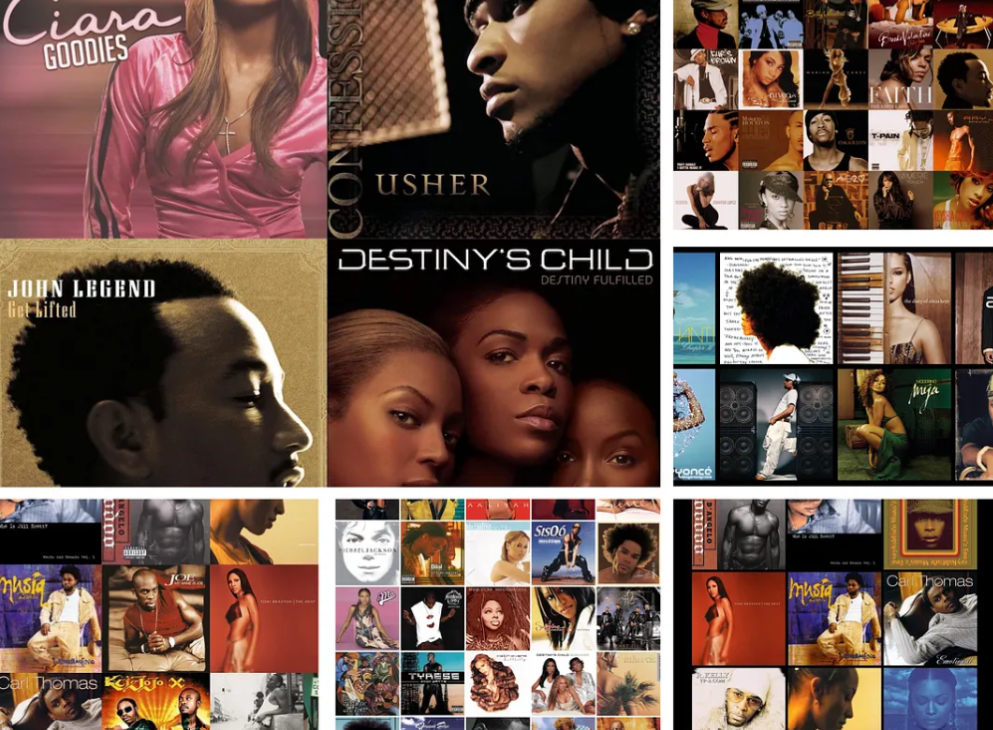
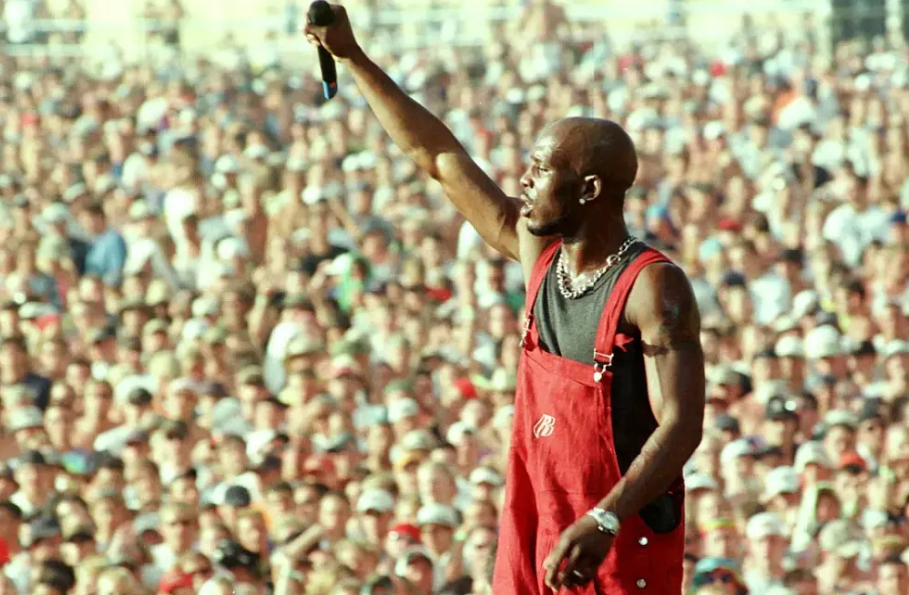
By the 1980s, the beat had gone global. Hip-hop rewrote what truth-telling sounded like. R&B, gospel, and jazz reinvented themselves again. Beneath it all pulsed the same heartbeat — survival, brilliance, defiance.
Executives who once claimed Black artists didn’t “fit the format” suddenly chased ad dollars from hip-hop. The music had risen, but the system had not.
Even in the church, gospel was woven through white worship songs, stripped of its soul and sold as “contemporary Christian.” White America loved the sound of liberation so long as it didn’t have to live it.
Movement V – Global Hip-Hop and New Voices (2000s–Today)
By the 2000s, hip-hop wasn’t just American—it was everywhere. From Lagos to London, Seoul to the South Bronx, its pulse became the planet’s backbeat. What began as neighborhood poetry now speaks in dozens of languages, remixing local struggles into a shared global rhythm.
Black artistry still leads the sound, even as corporations and algorithms try to package it for profit. But the culture keeps slipping through their fingers—restless, inventive, alive.
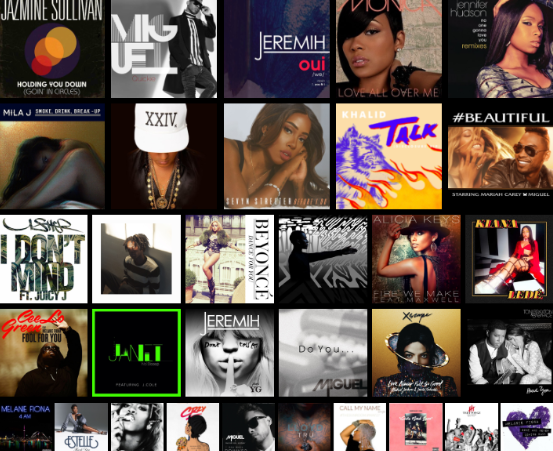
New movements rose on that same foundation: Afrofuturist R&B, Black country, jazz reborn through digital hands. Each one is both tribute and rebellion, a reminder that creativity never dies, it just finds another key.
And through it all, the message endures—joy as resistance, rhythm as memory, art as survival. The soundtrack of America is still being written, but the pen is no longer in one hand.
Today, Black music still holds up a mirror. It tells America who we are and who we might become. The genres multiply, but the lineage remains: from field songs to jazz clubs, from pews to protest marches, from drum loops to spoken word. Every generation finds its own instrument of truth. Every rhythm is a reckoning.
This story resists being “covered.” It summons us to listen, to learn, and to return to the source — to the voices that sang truth before the nation knew its own name.
The sound of Black music is the sound of America — not the song we inherited, but the one still calling us toward something better.
Explore Listen Imagine Experience Change
If you’re ready to go deeper, explore the Carnegie Hall Timeline of African American Music. Plan to spend some time there. Wander around, listen to clips, remember the songs you sang along to. Remember the shining stars who brought them to us—against all odds.