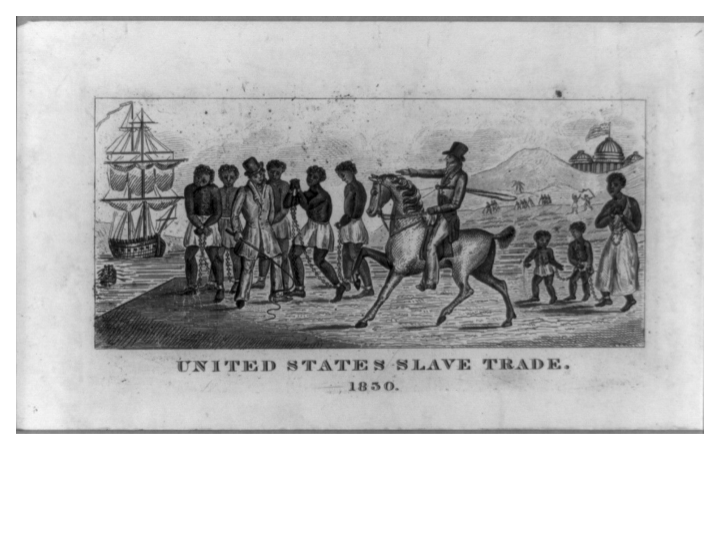

A Joint Enterprise in Slavery
The Money Behind “Forever Allies”
In Today's Money:
£20 million (1833) = £200 BILLION today (as share of GDP)
Annual slave profits = £15-150 BILLION/year in modern terms
Britain: How the Empire Cashed In
In the mid-1500s, Queen Elizabeth I backed John Hawkins, one of England’s first slave traders. By 1660, the Crown itself was in the business: King Charles II and his brother James chartered the Royal African Company, investing their own fortunes. For nearly two centuries Britain dominated the trade, becoming the world’s largest trafficker of African lives.
By the time Parliament outlawed the slave trade in 1807, Britain had already pocketed generations of profit — profits that built banks, ports, and factories. And when emancipation finally came, it was enslavers, not the enslaved, who were compensated.

America: How the Republic Perfected It
Britain’s North American colonies were not an afterthought; they were the market. Even after independence, the partnership deepened: cotton picked by enslaved Americans fed British textile mills, while banks in London and New York financed and insured every link in the chain.
It was never “just the colonies” or “just the South.”
Both nations built empires on the same stolen foundation.

The Crown's Investment
Royal African Company (1660-1731): Crown-chartered monopoly transported 187,000 Africans. Directly funded by Charles II and James II.
Annual GDP from slavery (1700s-1800s): 1-5% of British GDP came from slave-produced goods. This revenue stream powered Liverpool, Bristol, and funded the Industrial Revolution.
The Great Bailout (1833-1835): £20 million paid to enslavers — 40% of the entire UK budget, 5% of GDP. The enslaved received nothing.


The Numbers That Built a Nation
Market value of enslaved people (1860): $3 billion — more than all U.S. factories and railroads combined. They were America's largest asset class.
Cotton's dominance (1800-1860): 50-60% of all U.S. exports. Cotton connected Southern fields to British mills and Northern banks.
GDP growth (1790-1860): U.S. economy TRIPLED on enslaved labor. Cotton financed railroads, shipping, and Wall Street.
In Today's Money:
$3 billion (1860) = $12-14 TRILLION today
More than Apple + Microsoft + Amazon combined