
What is Whiteness?
Most white people were taught not to think of ourselves as having a race. But whiteness isn’t neutral or invisible — it’s a system that shapes our lives and the world around us.
Whiteness as a Social Construct
Whiteness isn’t simply about skin color. It’s a category that was created and reshaped over time — especially in the United States — to organize power, belonging, and access.
Groups that were not always considered “white” were gradually included, while others were excluded. Over time, whiteness became a kind of membership — one that carried real advantages.
See: https://en.wikipedia.org/wiki/White_Americans
Understanding Privilege
When white people begin to see ourselves as having a race, it becomes easier to notice the advantages tied to whiteness.
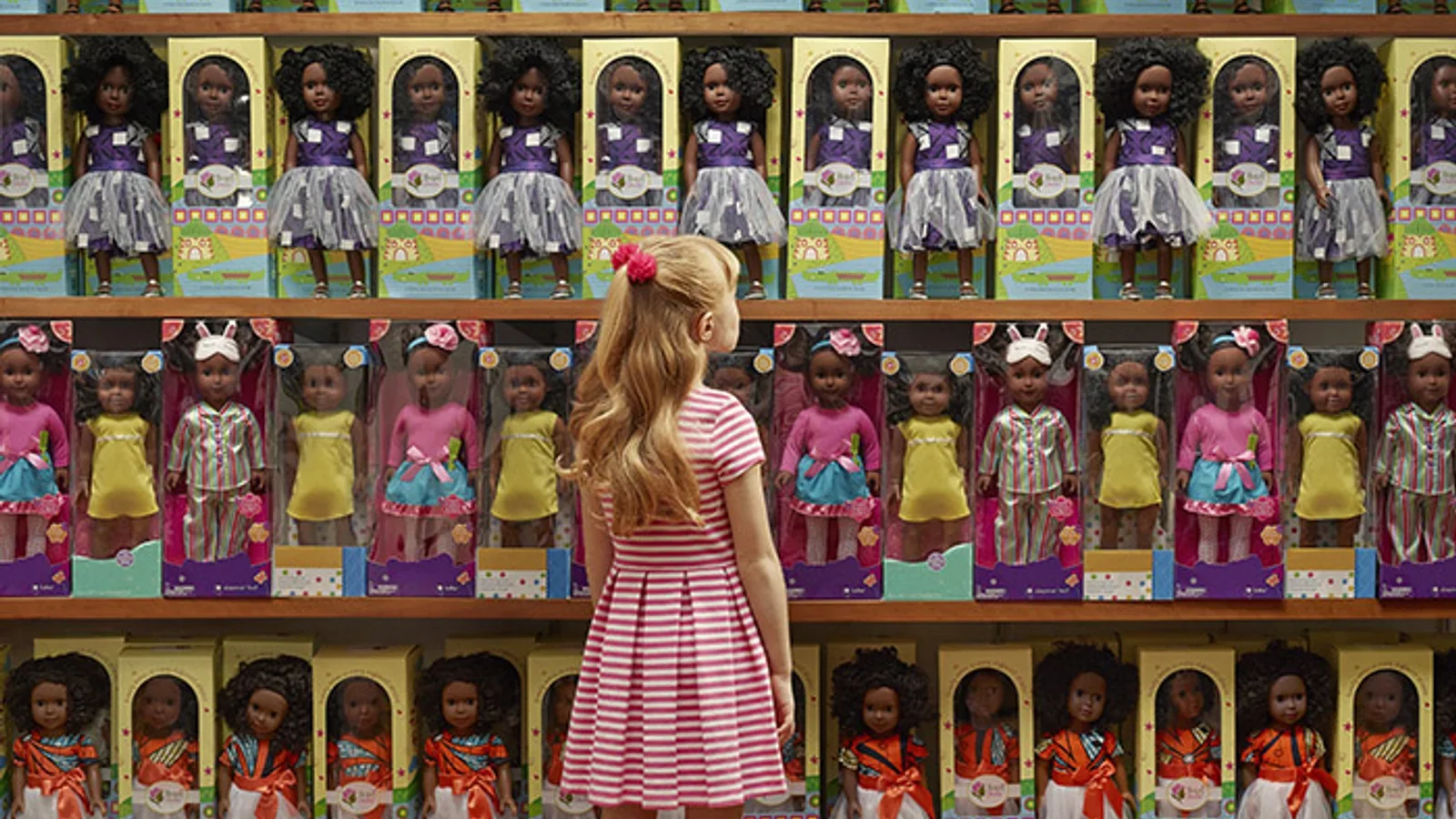
These advantages aren’t always dramatic. They often show up in everyday ways — being presumed innocent, seeing people like us widely represented in media, or moving through life without constant suspicion or questioning.
Because these experiences feel normal, they can be hard to see — until we begin to look directly at them.
Moving Beyond “Colorblindness”
Many of us were taught that the goal was to “not see race.”
But colorblindness doesn’t undo racism — it makes it harder to recognize.
When we ignore race, we also ignore the ways inequality continues to shape people’s lives. Recognizing whiteness challenges that false neutrality and opens the door to deeper honesty.
Locating Ourselves in the System
Awareness of whiteness isn’t about labeling ourselves as “bad.”
It’s about understanding how we are positioned within systems that advantage us — often without our awareness — and asking what we want to do with that position.
This is where the work becomes personal.
From Awareness to Accountability
This work isn’t about guilt.
It’s about clarity, humility, and responsibility.
Seeing whiteness allows us to move from passive awareness into active accountability — choosing how we show up, how we respond, and how we participate in the world around us